How to Verify an Aesthetic Practitioner's Credentials
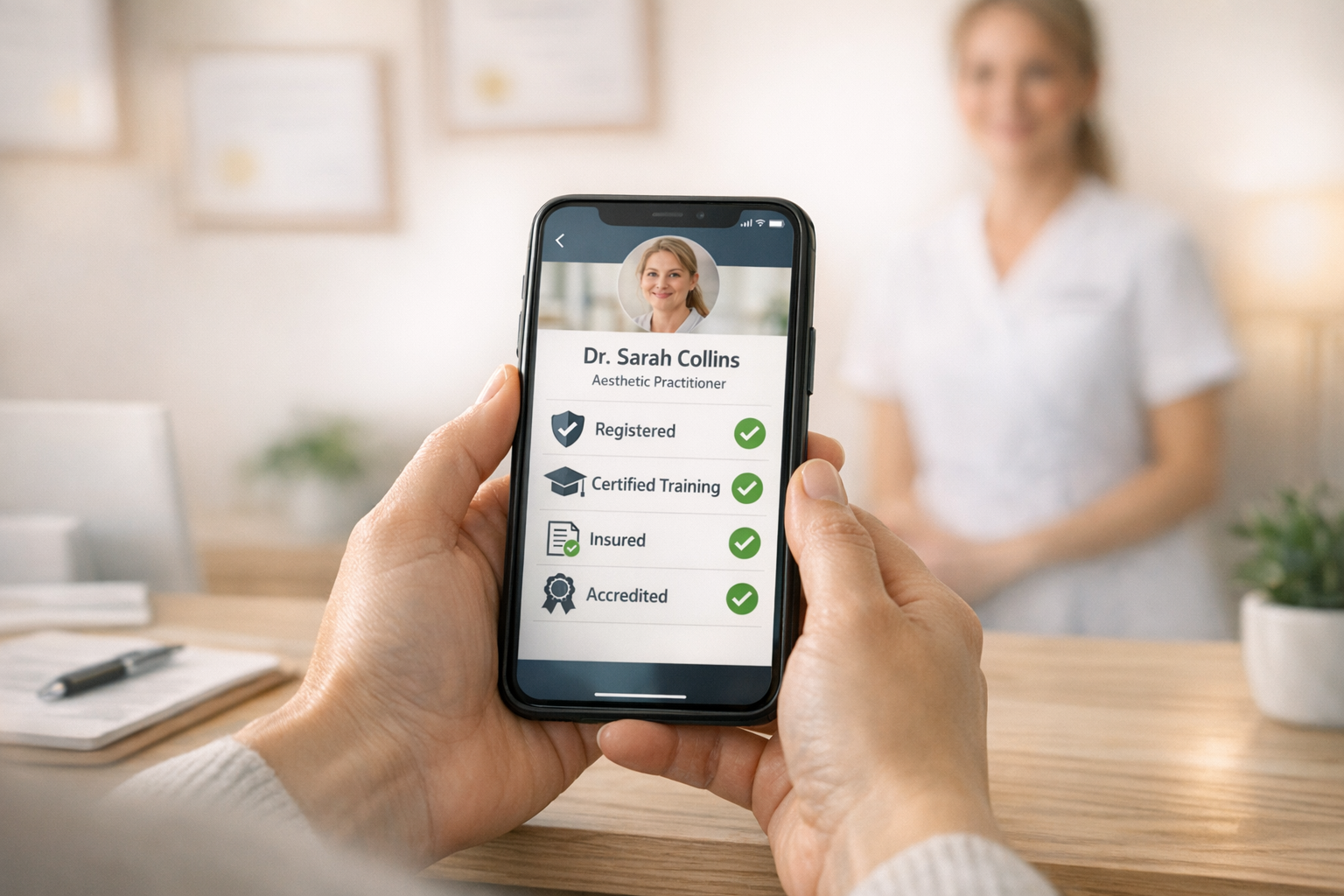
When it comes to aesthetic treatments, ensuring the practitioner is qualified and operates safely is critical. Mistakes can lead to severe health issues like infections, nerve damage, or even blindness. Unregulated practices are a growing concern, with incidents like the 38 botulism cases in England (June–July 2025) highlighting the risks. This guide outlines how to verify a practitioner's credentials to protect yourself:
- Check Clinic Registration: In Scotland, clinics offering private treatments must be registered with Healthcare Improvement Scotland (HIS). Verify their status and inspection reports online.
- Regulatory Body Membership: Confirm the practitioner's registration with their statutory body (e.g., GMC for doctors, NMC for nurses). Use their PIN to check their standing.
- Training and Certifications: Request proof of training for the specific procedure, valid Basic Life Support (BLS) certification, and indemnity insurance.
- Accreditation: Look for accreditation from bodies like Save Face, which ensures practitioners meet strict safety and professional standards.
- Insurance and Premises: Verify their insurance covers your treatment and that the clinic meets required health and safety standards.
- Experience and Reviews: Ask about their experience with the procedure and read verified client reviews on trusted platforms.
These steps minimise risks and help you choose a qualified, safe practitioner for your treatment.
@figure 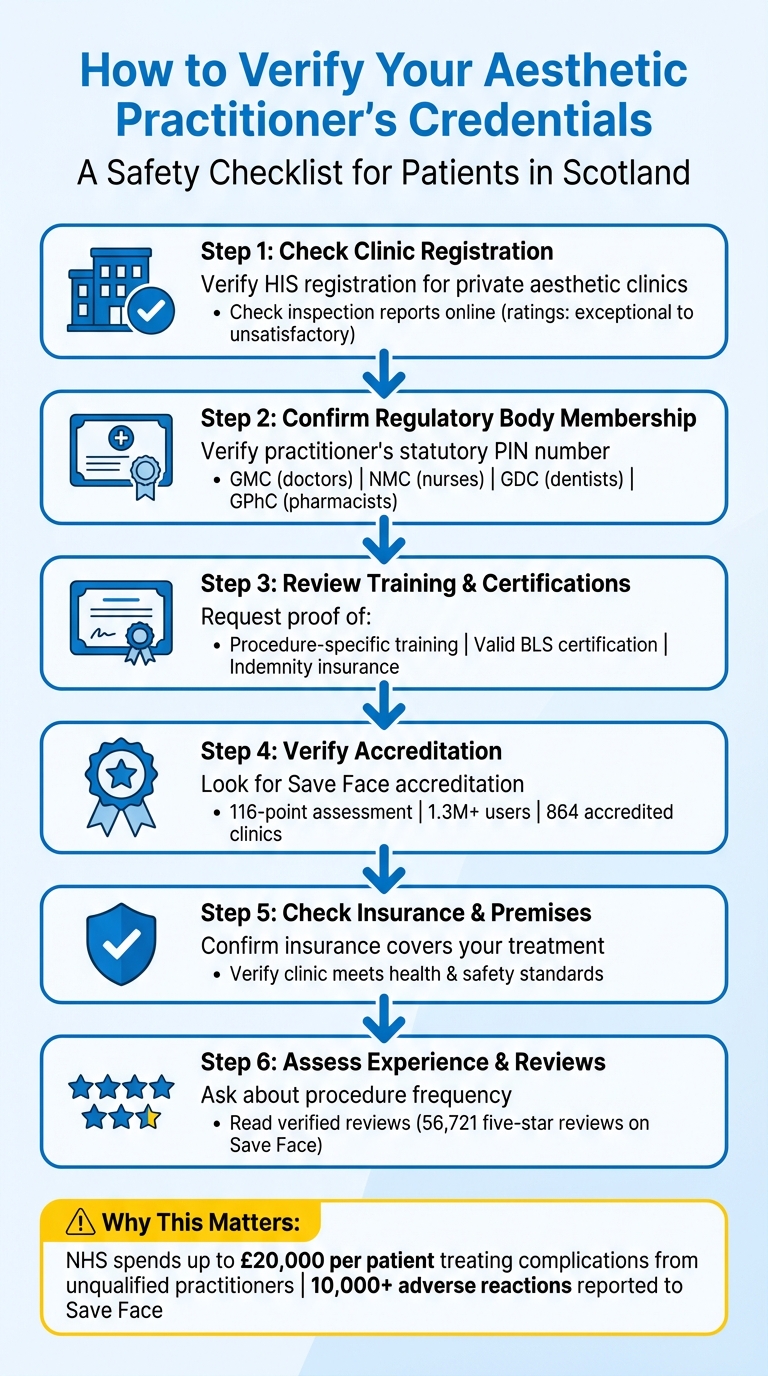 {6-Step Checklist to Verify Aesthetic Practitioner Credentials in Scotland}
FAKE credentials are taking over aesthetics… (you need to know this)
Aesthetic Practitioner Regulation in Scotland
Scotland has put a system in place to regulate aesthetic practitioners, ensuring they operate both legally and safely.
Healthcare Improvement Scotland (HIS) Regulation
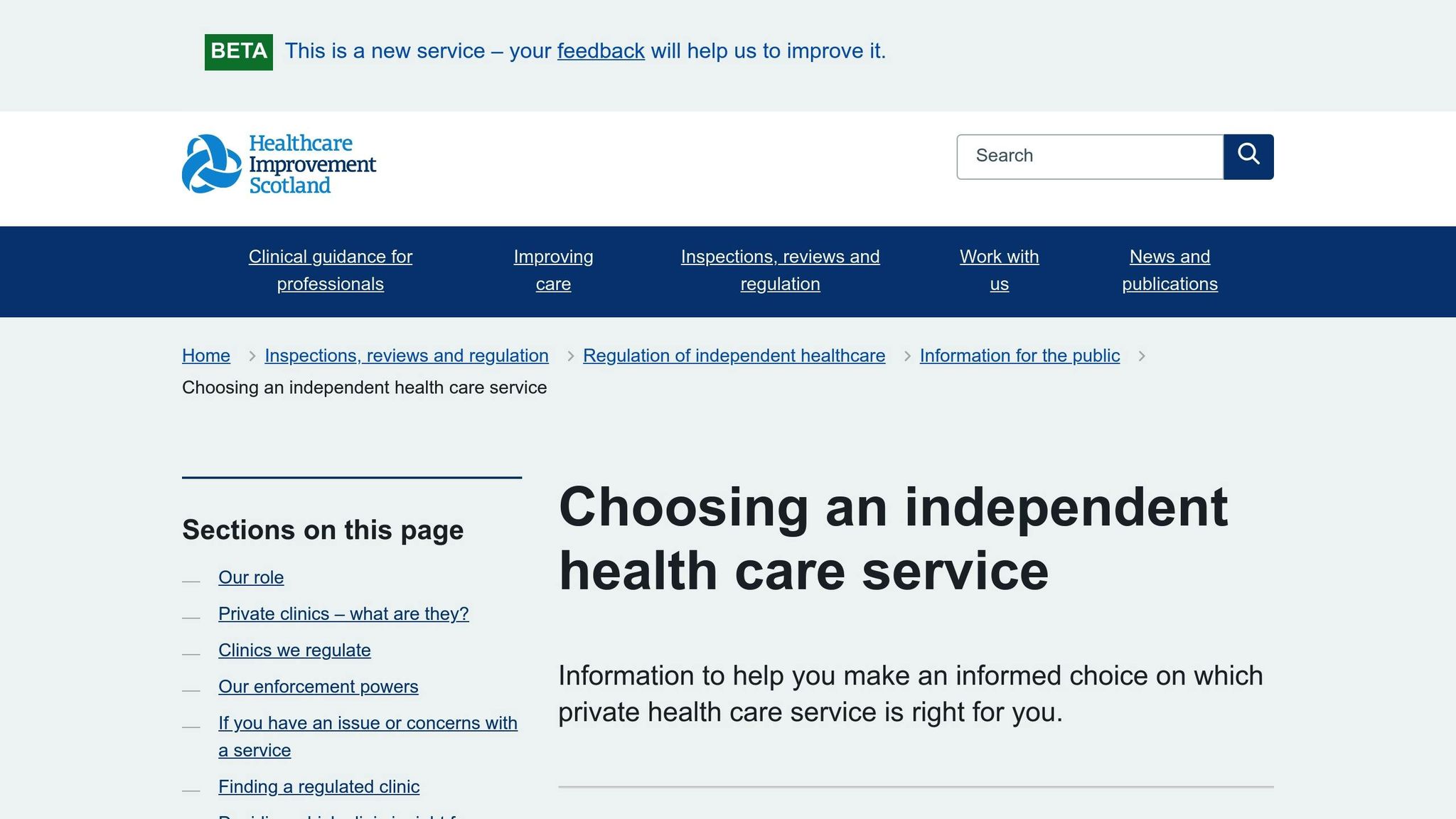
Medically trained professionals - including doctors, nurses, midwives, dental care professionals, pharmacists, and pharmacy technicians - are required to register their clinical premises with Healthcare Improvement Scotland (HIS) if they offer private aesthetic treatments. Operating from an unregistered clinic is considered a criminal offence.
The HIS registration process involves identity verification (via a solicitor or post office), a PVG background check, and a 4-6 hour site inspection. The initial registration fee is £3,500, with annual renewal costs of £1,093 for single-handed practitioners and £1,518 for clinics with staff. This process usually takes at least three months from the time of payment.
To ensure safety, it’s important to check a clinic’s registration status on the HIS website. Inspection reports are also available there, grading clinics from "exceptional" to "unsatisfactory." Verifying this information is a critical step in avoiding unregulated providers. These registration requirements form the foundation for Scotland's National Licensing Standards.
National Licensing Standards for Aesthetic Practices
Scotland categorises aesthetic procedures into three groups based on risk levels. This classification determines who can perform the treatments and where they can be carried out.
- Group 1: Includes lower-risk treatments like microneedling (up to 1.5mm), laser hair removal, and superficial chemical peels. These can be performed in HIS-regulated clinics or premises licensed by the local authority.
- Group 2: Covers injectable treatments such as Botulinum Toxin, dermal fillers, and vitamin injections. These must be done in HIS-regulated settings. If performed by non-healthcare practitioners, they must be supervised by an appropriate healthcare professional.
- Group 3: Includes higher-risk treatments requiring more complex procedures. These can only be carried out by healthcare professionals in HIS-regulated clinics.
The need for stricter regulation was overwhelmingly supported, with 98% of respondents to a Scottish Government consultation agreeing it was necessary. To solidify these measures, the Scottish Government has included a Non-Surgical Cosmetic Procedures Bill in its 2025–26 Programme for Government.
In addition to categorising procedures, specific requirements for prescribers ensure the safety of higher-risk treatments.
Prescriber Requirements for Certain Procedures
For Group 2 treatments, a qualified prescriber must be physically present to conduct an in-person consultation, prescribe medications, and manage any complications.
"Supervision means that an appropriate healthcare professional must be present on site, and undertake an initial face to face consultation for each procedure, including prescribing any prescription-only medicine for the procedure." - Scottish Government
This is crucial because complications like vascular occlusion can lead to severe consequences such as tissue death or blindness, requiring immediate medical intervention. Qualified prescribers - such as doctors, dentists, registered prescribing nurses, and registered prescribing pharmacists - have the anatomical expertise and access to emergency medications, like hyaluronidase, to handle these situations.
Before booking a treatment, always check the HIS website to confirm the clinic’s registration and ensure it complies with these national standards.
How to Verify Professional Registration and Qualifications
Ensuring a professional's credentials are in order is essential for safe aesthetic treatments. Once you've confirmed the clinic's HIS registration, the next step is to verify the practitioner's qualifications to ensure they are equipped to perform your procedure safely.
Checking Statutory Regulator Membership
Aesthetic healthcare professionals must be registered with their respective statutory regulators. For instance, doctors are registered with the General Medical Council (GMC), nurses and midwives with the Nursing and Midwifery Council (NMC), dentists with the General Dental Council (GDC), and pharmacists with the General Pharmaceutical Council (GPhC).
Ask for the practitioner's statutory PIN number and use it to check their status on the relevant regulator's website. This will confirm they are legally authorised to practise and have no disciplinary actions against them.
"We will require your statutory PIN number to verify your registration with your regulator, along with copies of your training certificates, insurance coverage, Basic Life Support (BLS) certification, and clinic protocols and procedures." - Save Face
Registers such as Save Face simplify this process. They only include practitioners who are already registered with these statutory bodies and have successfully completed a thorough 116-point assessment. To date, over 1.3 million people have used the Save Face register to find qualified practitioners, with 864 accredited clinics and practitioners currently listed.
Once statutory registration is confirmed, the next step is to evaluate the practitioner's specific training and certifications.
Reviewing Training and Certification
Statutory registration is just the beginning - practitioners also need specialised training for the treatments they offer. Ask to see certificates related to the specific procedure you're considering. For example, Medical Aesthetic Certificates for Botulinum Toxin and Dermal Fillers are regulated by the Royal Society for Public Health. Additionally, ensure they hold valid Basic Life Support (BLS) certification and current indemnity insurance that covers the treatments they provide.
Requesting and verifying these qualifications gives you an extra layer of assurance before proceeding with any treatment.
Checking Accreditation with Recognised Aesthetic Bodies
In addition to statutory checks, accreditation from recognised aesthetic bodies offers an extra layer of security when considering aesthetic treatments. These organisations carry out independent evaluations of practitioners and their clinic environments, ensuring they meet higher standards than those required for basic professional registration. This added accreditation helps reinforce a practitioner's credibility and commitment to safety.
Save Face Accreditation
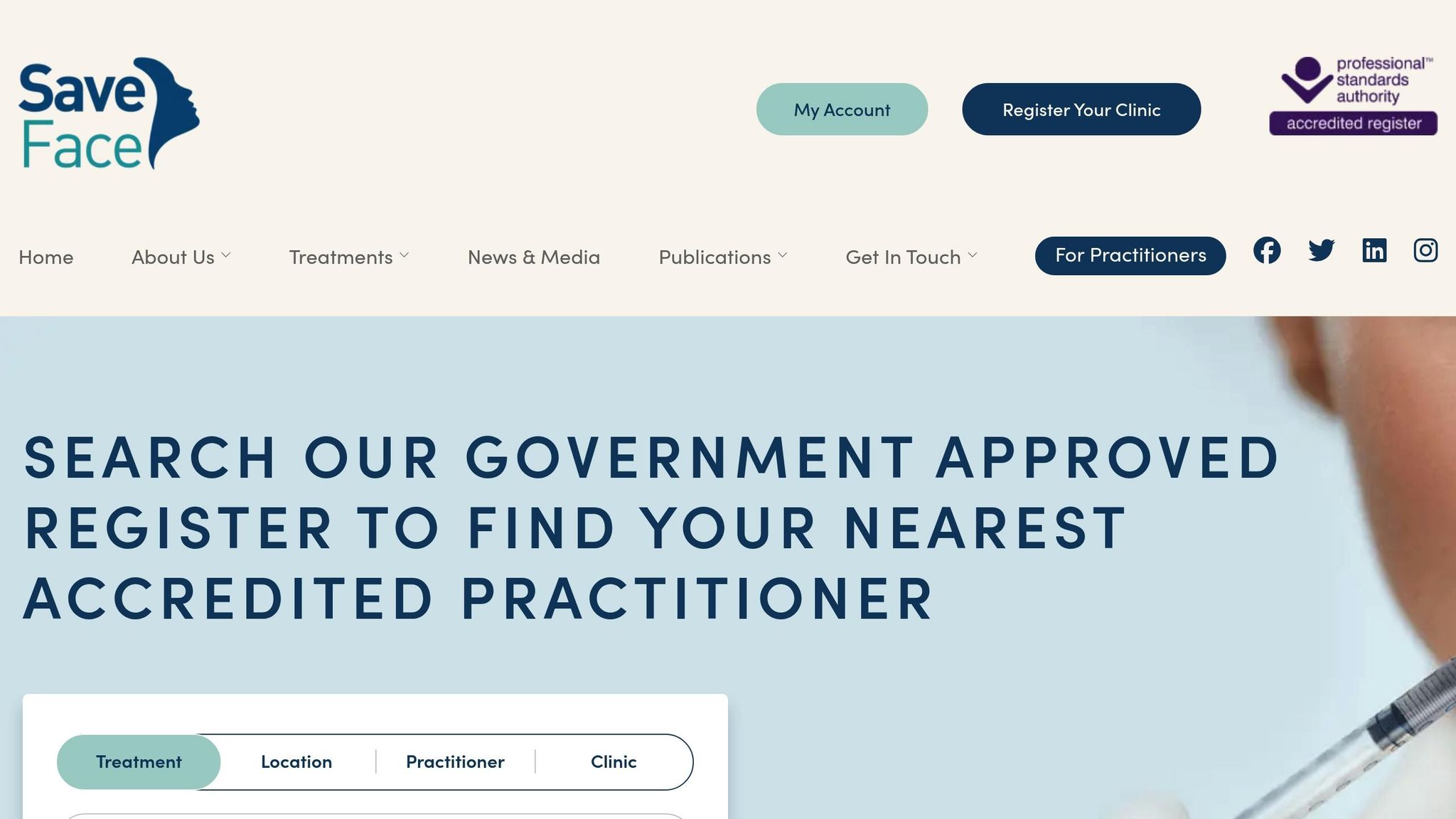
Save Face accreditation is particularly noteworthy as it focuses exclusively on medically qualified practitioners. It is the only Government Approved Register that includes doctors, nurses, dentists, and prescribing pharmacists. Since 2016, Save Face - endorsed by the Professional Standards Authority - has implemented a rigorous 116-point assessment to ensure clinical excellence, product authenticity, and safe premises.
To confirm if a practitioner has Save Face accreditation, you can consult the searchable public register available on the Save Face website or use a trusted directory of verified aestheticians. This register, which has been accessed by over 1.3 million people, lists 864 accredited clinics alongside numerous five-star reviews.
During the accreditation process, a 45-minute clinic inspection, led by a nurse, assesses key aspects such as treatment protocols, medicines management, lighting, and consent procedures. This evaluation ensures that practitioners use genuine products sourced from licensed suppliers while maintaining a safe clinical environment. Dr Manav Bawa from Time Clinic highlights the thoroughness of this process:
"A Save Face nurse assessor inspects every part of the clinic to ensure that we are treating our patients with the utmost care".
Look for the Save Face kitemark displayed on a clinic's website or premises, and cross-check its validity on the official Save Face register. This accreditation not only confirms the practitioner's compliance with safety standards but also provides access to their statutory PIN number, enabling you to verify their status with their primary regulator. Save Face accreditation serves as a vital reassurance alongside statutory registration and professional certifications, ensuring your safety is prioritised.
sbb-itb-349970b
Verifying Insurance, Premises Standards, and Compliance
When choosing a practitioner, it's not just about their qualifications. You also need to ensure they have valid insurance and operate from premises that meet strict health and safety standards.
Verifying Indemnity Insurance
Once you've confirmed their credentials, the next step is to check if they hold valid indemnity insurance. This is essential for covering any risks associated with treatments. For instance, professionals like nurses, midwives, or nursing associates regulated by the Nursing and Midwifery Council are required to have proper indemnity arrangements. Without it, they risk being removed from the register.
During your consultation, don't hesitate to ask to see their insurance certificate or get the name of their insurer. Practitioners insured by specialist providers, such as Hamilton Fraser, are often required to display their certificates. If they’re reluctant to share this information, consider it a warning sign.
Another way to verify their insurance is by checking if they’re listed on accredited registers like Save Face or the Joint Council for Cosmetic Practitioners (JCCP). These organisations mandate that their members hold appropriate coverage. As the JCCP highlights:
"All practitioners will be legally required to hold indemnity insurance to protect members of the public if something goes wrong with their procedure".
Make sure the policy specifically covers your treatment, including areas like medical malpractice, public liability, and product liability.
Checking Premises Compliance
It's not just about the practitioner - where they work also matters. The clinic must meet UK health and safety standards. Clinics performing certain procedures are required to be HIS registered. You can confirm this by checking their registration and reviewing their latest inspection report on the HIS website. These reports outline any enforceable requirements or recommendations and provide a rating - ranging from exceptional to unsatisfactory - that gives you a clear picture of their standards.
For Group 1 procedures carried out in locations not regulated by HIS, ensure the clinic holds a local authority premises licence as required under the Civic Government (Scotland) Act 1982. This licence confirms compliance with hygiene standards, equipment safety, and insurance obligations.
Checking Experience and Client Feedback
After verifying qualifications and insurance, the next step is to evaluate the practitioner's hands-on experience and client feedback.
Requesting Practitioner Experience Details
It's important to ask how many times the practitioner has performed the specific treatment you're considering. While years of practice matter, the frequency of performing your chosen procedure is more telling. For higher-risk treatments like dermal fillers, look for practitioners with advanced qualifications, such as a Level 7 post-graduate diploma, which requires completing 40 supervised treatments. Ideally, practitioners specialising in medical aesthetics should also have at least three years of general healthcare experience before moving into this field.
Don’t hesitate to inquire about their protocols for managing complications. A skilled practitioner should be able to clearly outline potential risks and explain what measures are in place to address any issues that may arise. You can also request product leaflets and aftercare instructions to ensure they follow consistent practices, which can further demonstrate their expertise.
Reviewing Testimonials and References
Client reviews are a key indicator of a practitioner's reliability and the quality of their work. Verified reviews, such as those found on government-approved registers like Save Face, provide a trustworthy resource. Save Face, for example, has collected 56,721 five-star reviews from verified patients as part of their rigorous 116-point assessment process. Over 1.3 million people have used their register to find medically trained and safe practitioners.
When reading testimonials, look for details about the practitioner's expertise, the clinic's standards, and the quality of aftercare provided. Cross-check these reviews with before-and-after photos on the practitioner's profile to confirm consistent results. Be cautious of practitioners who rely solely on social media to promote their services - verified credentials and tangible evidence of their work are essential to ensure your safety and satisfaction.
Conclusion
Taking the time to follow these verification steps - such as confirming statutory registration and evaluating practitioner experience - can make all the difference in safeguarding your health. The consequences of choosing unqualified practitioners are not minor. For example, over 10,000 individuals have turned to Save Face for help after adverse reactions, and the NHS has reportedly spent up to £20,000 per patient to resolve complications.
The measures outlined here - checking statutory registration, ensuring accreditation with recognised bodies, verifying insurance and premises standards, and assessing practitioner experience - are designed to shield you from unsafe practices. Together, they help ensure that practitioners comply with Scotland's regulations and deliver care that meets the highest standards.
"Lack of regulation in the medical aesthetics industry has resulted in a proliferation of unqualified practitioners. With a Save Face accredited practitioner, you are guaranteed to be treated by a fully qualified medical professional, using licensed products and in a safe clinical environment." - Christine Dixon, Dermanurse
By taking this thorough approach to verifying credentials, you can significantly improve the safety of aesthetic treatments and achieve better results.
Always prioritise practitioners who are registered with statutory bodies like the GMC, NMC, or GDC, hold valid indemnity insurance, and have independent accreditation. Trusted resources, such as Scotland Aestheticians, can help you locate verified clinics and professionals who meet these standards. A face-to-face consultation, a cooling-off period, and open discussions about risks are essential steps in ensuring safe and informed decisions. Your safety depends on choosing a practitioner committed to strict regulatory compliance and high-quality care.
FAQs
When choosing a cosmetic practitioner, watch out for warning signs like operating from unregistered places, such as private homes or hotels, or offering treatments at social gatherings like Botox parties. These can indicate a lack of professionalism or proper oversight. It's essential to verify that the practitioner is accredited by recognised schemes like Save Face or other government-approved registers. Checking for membership with a trusted regulatory body ensures they meet the necessary professional standards.
During your consultation, make sure to ask for proof of valid professional insurance to confirm they’re covered in case of complications. Also, request evidence of their qualifications, certifications, and registration with regulatory bodies such as the GMC, NMC, or GDC. It’s important to confirm that they are trained healthcare professionals - like doctors, nurses, or dentists - who have completed accredited aesthetic training. Taking these steps helps ensure they meet industry standards and prioritise your safety.
If you experience any problems following treatment, your first step should be to reach out to your practitioner or clinic to discuss the issue. If the matter remains unresolved or you feel uncomfortable addressing it with them, consider turning to regulatory organisations such as Save Face, the General Medical Council (GMC), or the Nursing and Midwifery Council (NMC) for assistance. For more severe concerns, such as malpractice, you can contact the NHS or the Care Quality Commission (CQC) for additional support and guidance.